Sometimes feelings are easier to draw than they are to say.
Therapeutic Drawing & Talking sessions for children and young people aged 6 to 19, providing a safe, supportive space to express emotions, build confidence and navigate life's challenges.
A safe, gentle approach
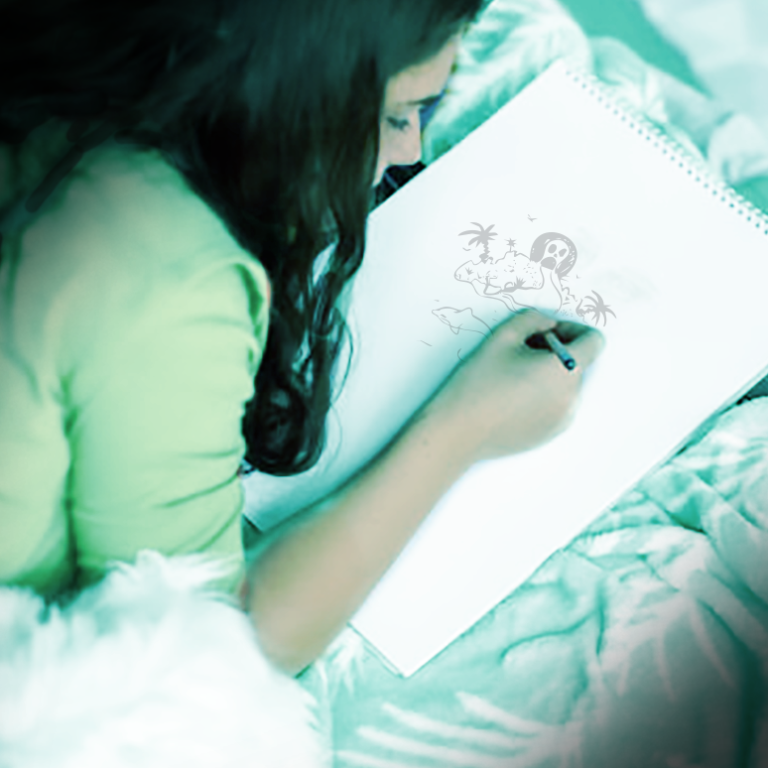
Sometimes children find it difficult to put big feelings into words. Drawing & Talking Therapy offers a safe, creative space where they can explore those feelings at their own pace.
Through weekly one-to-one sessions, children use drawing and storytelling to express themselves naturally.
There is no judgement, no pressure and no expectation to talk before they're ready. Your child leads the process while I gently support them throughout.
Before we begin

Who D&T is for
These sessions can support children and teenagers who may be finding life a little more difficult than usual, including those experiencing:
- Worries, anxiety or low confidence
- Friendship difficulties, bullying or feeling left out
- Changes at home, such as separation, divorce or a blended family
- Bereavement or the loss of someone important
- Big life changes, including moving home, changing schools or welcoming a new sibling
- Difficult emotions that are hard to express through words
- Emotional overwhelm, withdrawal or changes in behaviour
- Challenges with self-esteem, resilience or emotional regulation
Every child responds differently to life's experiences. Drawing & Talking therapy provides a gentle, creative space where they can process emotions, build confidence and develop healthier ways of coping at their own pace.
Drawing & Talking therapy can also provide valuable early emotional support while waiting for CAMHS or other specialist services, or as a gentle follow-on after support has ended.

How D&T works
All sessions take place once a week for 30 minutes, over a period of 12 consecutive weeks.
Same day. Same time. Same place.
This consistency helps children feel safe, settled and secure, allowing trust to develop naturally over time.
As trust develops, children are encouraged to draw freely while emotions are explored gently through the Drawing & Talking process. There is no judgement, no pressure and no expectation to find the "right" words.
Over time, many children develop greater emotional awareness, resilience and confidence in expressing themselves.

Choose the right setting
I offer flexible ways for children and teenagers to access Drawing & Talking Therapy, depending on what feels most comfortable, practical and appropriate for them and your family.
At My Practice in Godalming - Sessions take place in a calm, welcoming and confidential space, providing children with a consistent environment where they can feel safe to explore their thoughts and emotions.
At their School - Many children benefit from receiving support within the familiarity of their school environment. Working closely with schools can minimise disruption to the school day while providing a consistent, supportive space for weekly sessions.
(Small travel fee may apply depending on location.)
Online - For some older children and teenagers, online sessions can offer a comfortable and accessible alternative. Sessions follow the same gentle, child-led Drawing & Talking approach and are considered where appropriate.
Home visits may be available in exceptional circumstances and will be considered on an individual basis. Additional travel charges may apply depending on location.

Explore whether it's right
Step 1: A Parent Conversation
A chance to ask questions and explore whether Drawing & Talking Therapy is the right fit.
Step 2: Getting to Know Your Child
If a gentle introductory meeting would help your child feel more comfortable, we'll be happy to arrange this before their first session.
Step 3: Beginning the Programme
When you're ready to begin, we'll agree a start date and arrange a regular weekly session at the same day, time and place each week
Sessions are currently available between 15h00 and 17h00, Tuesday to Friday and some Saturday afternoons.
Please get in touch for up-to-date availability and specific session times.

Parents and schools often notice that children and teens:
- Feel calmer and less anxious
- Express emotions more safely and openly
- Show improved confidence and self-esteem
- Cope better with strong feelings and behaviour
- Re-engage more with schoolwork, friendships and daily life
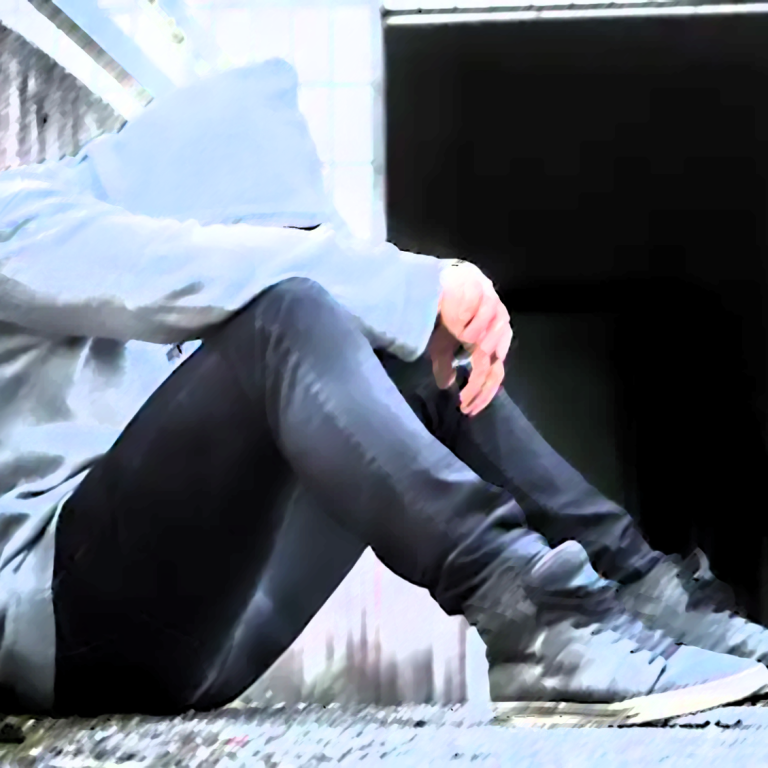
Some teenagers refuse counselling. Others go once and won’t return.
Not because they don’t need help but because words feel too big and too close to the pain.
Ready to talk things through?
If you’re worried about your child or teenager and you’re not sure what to do next, you’re welcome to get in touch for a friendly, no-pressure conversation.
Drawing and Talking doesn’t replace specialist or crisis services, but it can be an important early step – helping children and teenagers feel safer and more ready to access further therapy if and when it’s needed.
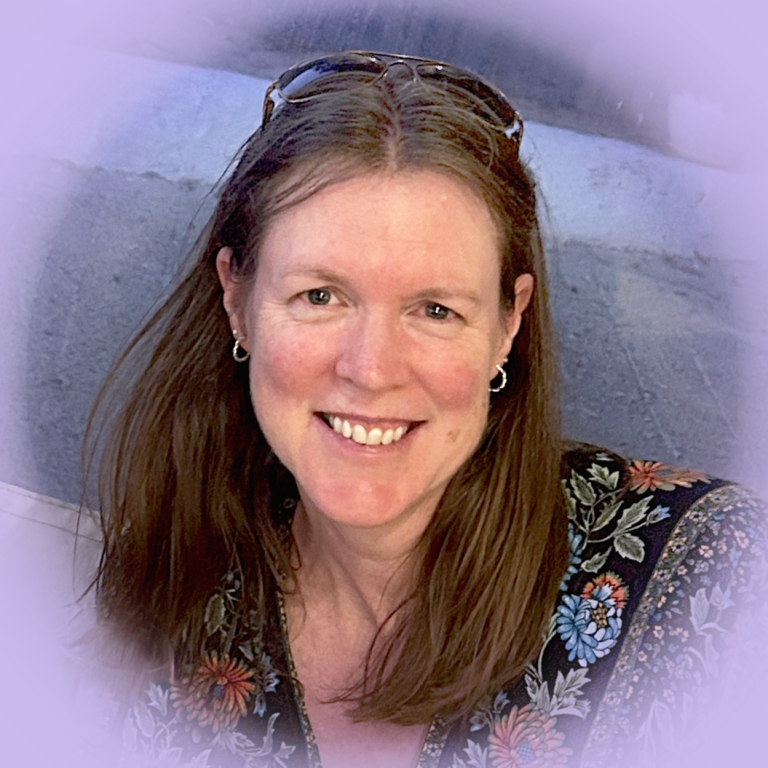
Leigh Couchman l Drawing & Talking practitioner
Godalming & surrounding areas